The Economic Legacy of Enslavement
Scroll for moreProfits from slavery fueled the Industrial Revolution, built Wall Street, and funded the Ivy League.
The Industrial Revolution, Wall Street, and many of America’s most prestigious colleges and universities were fueled by profits reaped from enslavement. The capital accumulated through the labor of enslaved Black men, women, and children flowed into the coffers of bankers, merchants, and manufacturers, and became the economic engine for the Industrial Revolution. Today, the role of slavery as the foundation of this nation’s wealth and prosperity and the way it shaped the modern political economy are largely overlooked.
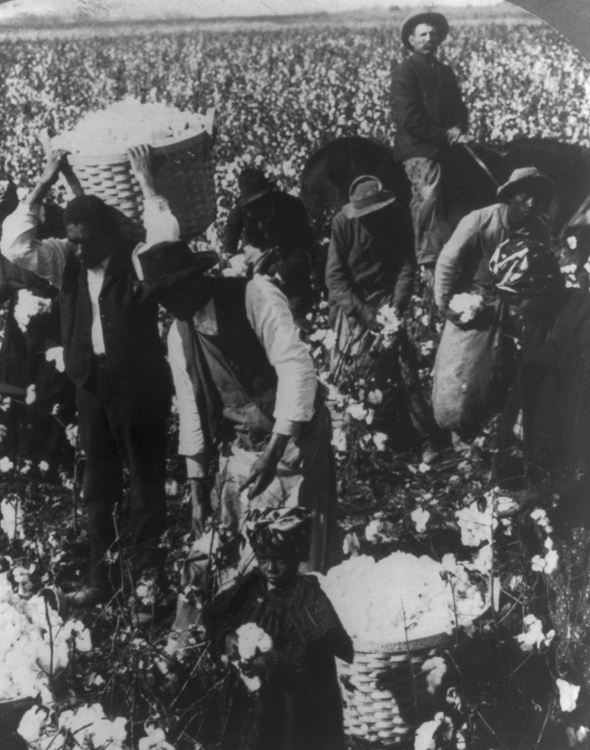
Aetna, Inc. and New York Life Insurance Company – the country’s largest health and life insurance companies – sold policies that reimbursed slaveowners when their enslaved property died. Citizens Bank and Canal Bank, which later became part of JP Morgan Chase, accepted enslaved people as collateral on loans, and “collected” 1,250 Black people when plantation owners defaulted. CSX and Norfolk Southern railroads rented enslaved labor to complete lines that remain in use today. Across industries, modern corporate power rests atop a history of racialized servitude.
Many institutions of higher education have histories deeply rooted in enslavement. As historian Craig Steven Wilder observed, “The story of the American college is largely the story of the rise of the slave economy.” Profits from slavery and related industries helped fund dozens of schools in the North, including Harvard, Columbia, Princeton, and Yale.
Early benefactors of Brown and Harvard made their money trafficking people from Africa and milling cotton from plantations in the American South. Yale inherited a small slave plantation in Rhode Island and used that resource to fund its first graduate programs and scholarships.
In the South, enslaved people built college campuses and worked as servants for faculty and students. The College of William and Mary in Williamsburg, Virginia, enslaved 17 people on the campus tobacco plantation through the slavery era, and used the profits to fund scholarships for its all-white student body. In 1838, to help the school avoid bankruptcy, two of Georgetown University’s early presidents organized a massive slave auction at which they sold 272 Black people for $3.3 million. As one professor later said, “The university itself owes its existence to this history [which is] a microcosm of the whole history of American slavery.”
The forced labor of kidnapped Africans built wealth that continued to shape and benefit the economy of the United States well into the 20th century, and the echo of enslavement still sounds throughout American society today.