Medicine and Slavery
Scroll for moreSlave narratives occasionally recount a sympathetic or kind physician tending to the wounds of an injured slave, but Southern physicians were beholden to slaveowners, with whom they shared economic and political interests. Many doctors faced with an enslaved person suffering symptoms of illness advocated whippings and medical violence they would never prescribe for a white patient. Enslaved people whose bodies were bought and sold, and their humanity was denied as a matter of law, also became the unwilling subjects of brutal medical experiments at the hands of physicians eager to exploit Black people’s powerlessness to refuse consent.
Racialized justifications for slavery claimed innate biological differences between white and Black people. Doctors in search of medical advances to treat white people nonetheless used Black bodies as experimental objects throughout the enslavement era. During the 1820s and 1830s in Clinton, Georgia, Dr. Thomas Hamilton experimented on enslaved people, including John Brown, who later escaped and reported that Hamilton used him to test remedies for heat stroke that left him fading in and out of consciousness until he passed out. Hamilton later sold fake pills to slaveowners that he claimed would boost their enslaved workers’ productivity.
Medical research was used to legitimize the morality and rationality of slavery. At the annual meeting of the Louisiana Medical Association in 1851, Dr. Samuel Cartwright presented a report on “Drapetomania,” which he described as a mental illness that gave enslaved people an urge to escape. Cartwright reported that his research found the affliction could be triggered by masters treating their slaves as equals and his recommended treatment was whipping and amputation of the toes.
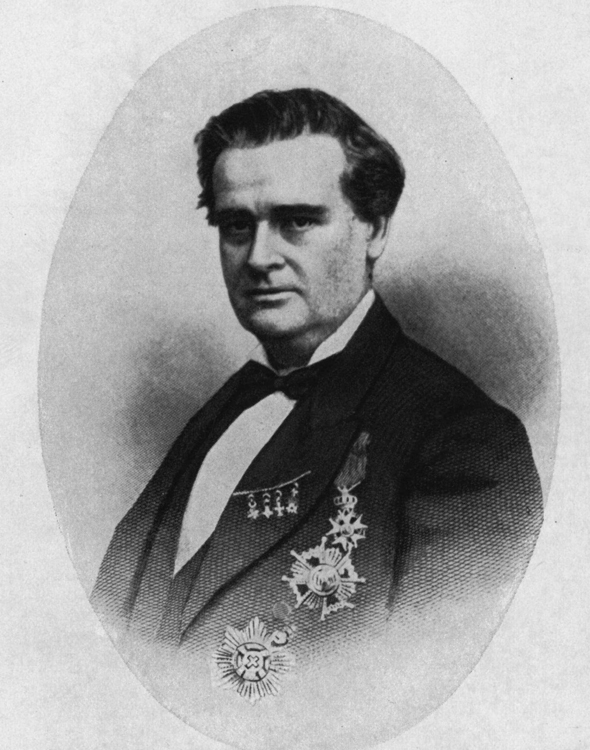
Dr. James Marion Sims, often hailed as the “father of modern gynecology,” experimented on Black men, women, and infants before turning his attention to women’s reproductive systems in the 1840s. Between 1845 and 1849, in a small hospital behind his house in Montgomery, Alabama, Sims operated on enslaved women without anesthesia or consent, often forcing women to undergo repeat surgeries, in an effort to devise a procedure to correct vesicovaginal fistula, a frequent complication of childbirth.
Sims performed his first experimental operation on an enslaved woman named Lucy, who endured excruciating pain while positioned on her hands and knees as 12 doctors observed. Sims was not discouraged when Lucy became extremely ill from blood poisoning and nearly died after the procedure. Instead, he moved on to a 14-year-old Black girl named Anarcha, who suffered through 30 painful operations before Sims found a way to repair her fistula. After testing the procedure on on enslaved women, Sims performed it on white women volunteers offered anesthesia, and went on to win great acclaim. Today, a statue honoring Sims stands on the grounds of the Alabama State Capitol.