Food Rationing and Starvation
Scroll for moreEnslaved people were forced to work on meager rations of food, and often were starved as punishment.
White slave owners used food-rationing as a weapon of control. Enslaved people who dared to challenge the owner’s authority risked starvation, and enslaved workers were subject to a lifetime of grueling labor with dangerously little sustenance.
“I have often been so pinched with hunger, that I have fought with the dog – ‘Old Nep’ – for the smallest crumbs that fell from the kitchen table, and have been glad when I won a single crumb in the combat. Many times have I followed, with eager step, the waiting-girl when she went out to shake the table cloth, to get the crumbs and small bones flung out for the cats.”
Years after his escape from slavery, abolitionist Frederick Douglass vividly recalled the starvation he experienced in bondage. Slaveowners regularly used extreme hunger to weaken enslaved people into compliance and rewarded “loyalty” (including sexual submission) with increased food rations. This dehumanizing and abusive treatment was used to discourage unity among enslaved people and keep them divided, since the difference between the “favored few, and the hunger-smitten multitudes . . . was immense.”
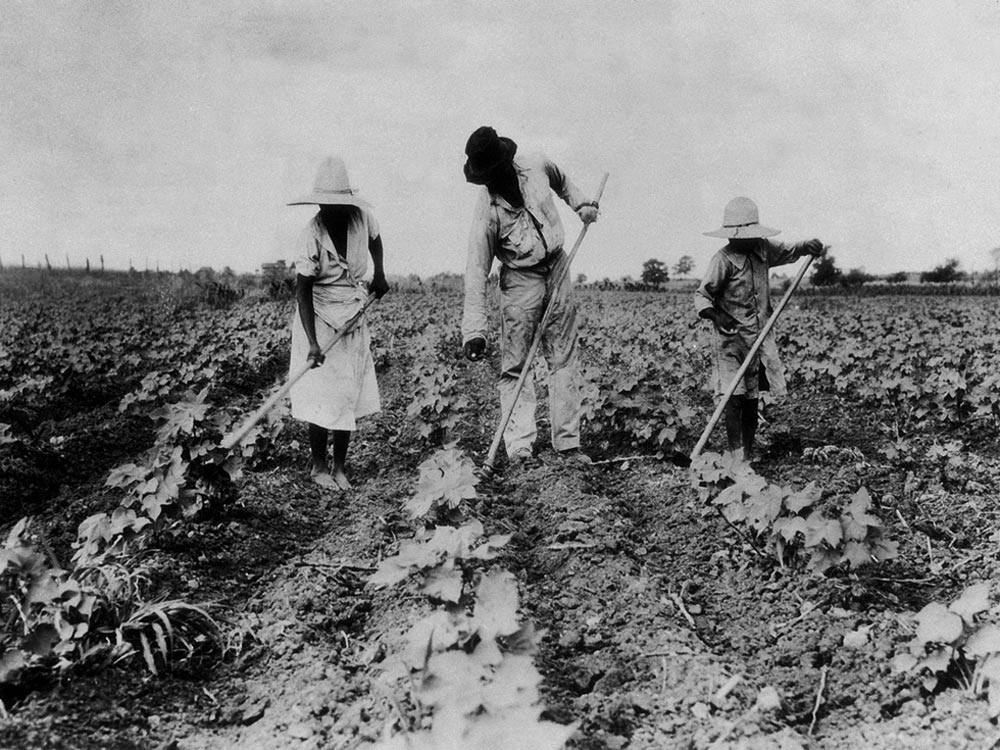
Many slaveowners were motivated by profit to minimize their expenditures on food for enslaved people, providing only enough food to keep their workers alive. Monthly rations typically were comprised of one bushel of corn and tainted meat. Hunger and thirst were common conditions for enslaved people as they performed hours of backbreaking work in the sun, with only brief breaks to sip hot, stale water brought to the fields in mule- drawn carts. To gather the strength to work and survive, many enslaved people supplemented their rations by hunting in the woods at night, while others risked severe punishment to “steal” meat and vegetables that their labor produced.
More than six decades after Emancipation, a formerly enslaved Black woman named Josie Jordan recalled that “some of them slaves were so poorly thin they ribs would kinder rustle against each other like corn stalks a-drying in the hot winds.”