Resistance Though Survival: Culture, Faith, and Community
Scroll for moreEnslaved people resisted dehumanizing conditions by using music, faith, and community to survive.
American slavery was violently dehumanizing. Deprived of legal rights and defined as property, enslaved people were forced to work in severely harsh conditions and brutalized as punishment for any perceived disobedience. Enslaved men, women, and children survived these traumatic circumstances by creating cultural tools to sustain their spirits and resist the crushing conditions of slavery. For those who could not escape or rebel, resistance was expressed through music, faith, bonds of support, and the will to keep living. With these tools, Black people in bondage displayed hope, grief, and triumph, asserting their humanity in the face of inhuman oppression.
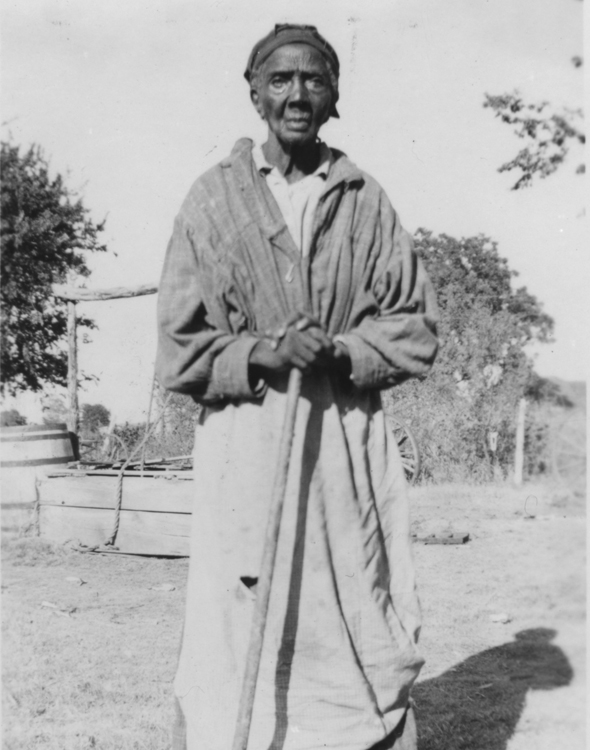
Music was deeply embedded in African culture well before the launch of the Transatlantic Slave Trade. Kidnapped Africans continued that tradition by using songs to communicate and encourage one another while en route to enslavement. A white sailor who worked on slave trade voyages from 1760 to 1770 remarked that Africans on board were known to “frequently sing, the men and woman answering another, but what is the subject of their songs [I] cannot say.”
With their unique hums and moans, pitches and keys, intricate rhythm patterns, and use of call and response, these songs passed through generations of enslaved African-descended people to convey messages of sorrow and hope. In the United States, music came to reflect changing religious traditions as faith became a central component of community. Many enslaved Africans adopted Christianity, and African traditions of spiritual possession, dancing, and chanting became Christianized. Enslaved Black people held meetings in hidden locations to develop language and new interpretations of Biblical figures such as Daniel, Moses, and Jesus.
Kinship, friendship, and romantic ties helped enslaved people support each other and reject prevalent societal messages that Black life had no value and Black love did not matter. Slaveowners did not allow enslaved people to choose their own spouses and they sometimes “married” enslaved people to their own relatives, but Black people resisted.
Enslaved on a different plantation from his wife, Stephen Jordon was denied the chance to visit her and was forced to marry an older woman his owner had recently purchased. “We were put in the same cabin,” he later recalled, “but both of us cried, me for my old wife and she for her old husband.” Required to live together, Mr. Jordon and the older woman did so “not as husband and wife, but as son and mother,” creating new bonds to resist their forced marriage.
The determination to survive despite the forces of oppressive violence was itself a form of resistance. While enslaved on Louisiana plantations, Lucy Thurston and Charles Ball contemplated suicide but mustered the will to live through the sense of community forged while singing work songs and participating in nightly story-telling and dance rituals in their cabins. “A man cannot well be miserable, when he sees every one about him immersed in pleasure,” Charles Ball later recalled. “I forgot for the time, all the subjects of grief that were stored in my memory, all the acts of wrong that had been perpetrated against me.”